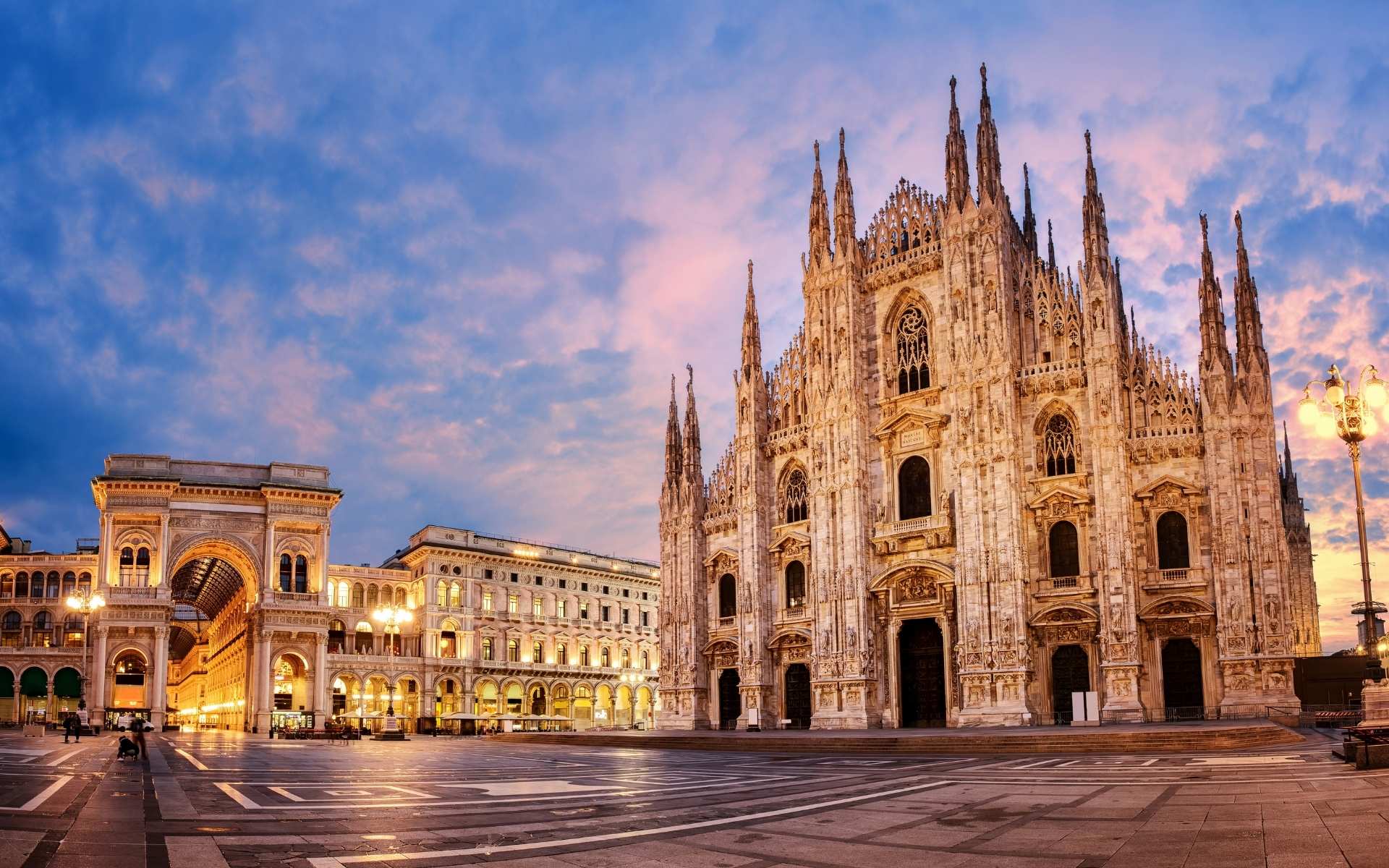
Milan is Italy’s capital of fashion, finance, design and luxury. But enjoying the city does not necessarily require a luxury budget.
Or does it?
Between stylish cafés, famous museums, restaurants, public transport and some of Italy’s most expensive hotels, spending just 24 hours in Milan can cost considerably more than many visitors expect.
And prices can change dramatically depending on where you go.
A cappuccino and pastry might cost €4 in a neighbourhood café, while breakfast at a fashionable establishment near the Duomo could cost three times as much. A drink in Navigli might set you back €12, while a rooftop cocktail overlooking the city could cost more than €20.
The biggest surprise, however, is often accommodation.
So how much money do you actually need for one day in Milan? Let’s break down the real costs in 2026, from morning coffee to dinner, and discover how to enjoy the city without overspending.
Contents
Breakfast in Milan: From €3 to €15
Let’s start with something Milan does particularly well: coffee and pastries.
A traditional Italian breakfast at a neighbourhood bar remains surprisingly affordable.
An espresso typically costs around €1.20–€1.50, while a cappuccino is generally between €1.50 and €2.50. Add a brioche or croissant and you can enjoy breakfast for approximately €3–€5.
But Milan is also famous for its elegant cafés and historic pastry shops.
Places near the Duomo, Galleria Vittorio Emanuele II or the luxury shopping district can charge considerably more, particularly for table service.
A cappuccino and pastry at a fashionable central café might cost €8–€15 or more.
Our realistic breakfast budget: €4.50.
The easiest way to save? Enjoy your coffee standing at the counter, just like many Italians do.
Getting Around Milan: Metro Tickets and Daily Passes
Fortunately, public transport is one of the city’s more affordable expenses.
In 2026, Milan’s public transport operator ATM charges €2.20 for a standard ticket, valid for 90 minutes within the applicable Mi1–Mi3 zones.
The ticket covers metro, buses and trams, with multiple journeys possible during its validity period according to the transport rules.
If you expect to travel frequently, the 24-hour ticket costs €7.60, providing unlimited journeys.
Contactless payments make things even easier. You can use a bank card or smartphone on supported services, and ATM’s fare system automatically applies the daily fare when the applicable spending threshold is reached.
For two separate journeys, allow €4.40. For a busy sightseeing day, €7.60 is a useful maximum budget for standard city travel within those zones.
Milan is also easier to explore on foot than many visitors imagine. The Duomo, Galleria Vittorio Emanuele II, Teatro alla Scala, Brera and Castello Sforzesco can form part of the same walking itinerary.
If you are visiting Italy for the first time, our guide to buying and validating public transport tickets in Italy explains how to use contactless payments, ticket machines and transport apps without risking unnecessary fines.
Visiting Milan’s Attractions: How Much Will You Pay?
Milan is not just about shopping and fashion. It is also home to extraordinary art, architecture and cultural treasures.
But visiting several major attractions in a single day can quickly become expensive.
Here are some of the main admission prices in 2026:
- Duomo and Duomo Museum: €10 for a standard adult ticket.
- Duomo and rooftop terraces: €22 using the stairs or €26 with lift access.
- Leonardo da Vinci’s Last Supper: €15 standard admission, with advance booking mandatory.
- Pinacoteca di Brera: €20 for the full Grande Brera ticket.
- Galleria Vittorio Emanuele II: Free to enter and explore.
- Parco Sempione and the exterior of Castello Sforzesco: Free.
If you choose the Duomo with rooftop access and Leonardo’s Last Supper, admission alone costs €37 per person, before any additional booking charges or guided tours.
And securing tickets to the Last Supper can be difficult. Visitors must reserve in advance because access is tightly controlled to protect Leonardo’s masterpiece.
The good news is that many of Milan’s most beautiful experiences cost nothing.
Walking through Brera, visiting the Navigli canals, admiring the Duomo from the square or relaxing in Parco Sempione are all free.
For a one-day visit, choosing one or two paid attractions is usually much more enjoyable than rushing through several museums.
Lunch, Gelato, Aperitivo and Dinner: Milan’s Food Prices
Food is another area where Milan can be surprisingly affordable — or extraordinarily expensive.
For lunch, a sandwich, pizza slice or takeaway meal generally costs around €7–€12.
A casual restaurant serving pasta, risotto or another traditional Italian dish may cost approximately €15–€25 per person, depending on drinks and service.
For our typical day, let’s allow €18 for lunch.
Later, a gelato will usually cost around €3–€5.
Then comes one of Milan’s greatest traditions: aperitivo.
In areas such as Navigli, Porta Venezia and Isola, a spritz or cocktail accompanied by snacks often costs €10–€20. Premium rooftop venues can charge €20–€30 or more.
Some establishments also offer an apericena, where a more substantial selection of food can effectively replace dinner.
For a classic aperitivo, our budget is €12.
For dinner, allow approximately €20–€30 for a casual restaurant meal, or €35–€50 for a more complete experience with drinks.
Traditional dishes worth trying include risotto alla milanese, cotoletta alla milanese and ossobuco.
Milan’s international food scene is also growing, from neighbourhood trattorias to restaurants influenced by cuisines from around the world. Our article on how Milan became a major international food hub explores the city’s expanding role in Italy’s food industry.
A realistic food budget for our example day is therefore:
- Breakfast: €4.50
- Lunch: €18
- Gelato: €4
- Aperitivo: €12
- Dinner: €30
Total food and drinks: €68.50.
Sleeping in Milan: The Expense That Changes Everything
Accommodation is where Milan can become considerably more expensive than visitors anticipate.
The city attracts business travellers, international exhibitions, fashion events and major conferences throughout the year, creating strong demand for hotel rooms.
In 2026, a double room at a reasonably located hotel can easily cost €150–€250 per night, while luxury hotels and periods of high demand can push prices much higher.
Rooms can be cheaper outside major event periods, particularly when booked well in advance.
For our calculation, let’s assume two people share a €200 double room, paying €100 each.
Then there’s Milan’s tourist tax.
Under the rates effective from April 1, 2026, visitors generally pay:
- Three-star hotel: €7 per person per night.
- Four-star hotel: €10 per person per night.
- Five-star hotel: €12 per person per night.
- Short-term rentals and B&Bs: €9.50 per person per night.
- Youth hostels: €3 per person per night, subject to applicable exemptions.
That makes the tourist tax a surprisingly significant additional expense, particularly for couples or families staying several nights.
Before booking, read our guide to how tourist taxes work in Italy, including what to check when booking hotels and short-term rentals.
The Real Total: How Much Does One Day in Milan Cost?
Now let’s put everything together.
Imagine visiting Milan for one full day, eating at normal restaurants, using public transport, seeing two famous attractions and sharing a four-star hotel room with another person.
| Expense | Cost per person |
|---|---|
| Breakfast | €4.50 |
| Lunch | €18 |
| Gelato | €4 |
| Public transport (two journeys) | €4.40 |
| Duomo and rooftop terraces | €22 |
| Leonardo’s Last Supper | €15 |
| Aperitivo | €12 |
| Dinner | €30 |
| Total without accommodation | €109.90 |
| Hotel, shared double room | €100 |
| Tourist tax, four-star hotel | €10 |
| Total including accommodation | €219.90 |
That is almost €220 for just 24 hours in Milan, without shopping, taxis or airport transfers.
These figures are an illustrative budget, not an official citywide statistical average. Hotel prices, meals and booking charges depend on your dates and preferences.
And the difference between travel styles is enormous.
A budget-conscious visitor could spend around €50–€75 per day without accommodation, focusing on inexpensive food, public transport and free attractions.
A more typical sightseeing day with restaurants, aperitivo and paid attractions can cost approximately €95–€140 before accommodation.
Premium restaurants, taxis, shopping and expensive hotels can push the total several hundred euros higher.
Best Tips to Save Money in Milan
Fortunately, Milan offers plenty of opportunities to save without missing its best experiences.
- Have breakfast like a local. Choose a neighbourhood café and drink your cappuccino at the counter. You’ll often pay much less than at a famous central pastry shop.
- Use public transport instead of taxis. A €2.20 ticket can get you across much of the city. If you’re travelling frequently, take advantage of the €7.60 daily fare.
- Explore free attractions. The Galleria, Navigli, Brera’s streets, Parco Sempione and many churches can provide hours of sightseeing without admission charges.
- Look for discounted museum days. Pinacoteca di Brera offers free admission with reservation on the first Sunday of the month. Special evening openings can also offer unusually low ticket prices.
- Book attractions through official websites. The Duomo and Last Supper have official booking channels. Avoid unnecessary reseller markups and check availability well in advance.
- Use aperitivo strategically. A generous apericena can sometimes replace a full restaurant dinner, reducing the day’s food budget.
- Stay outside the most expensive central streets. Porta Romana, Città Studi, Loreto and areas around Centrale can provide alternatives to Duomo and Brera. Compare accommodation prices alongside metro connections and the tourist tax.
- Avoid major event periods if you’re travelling on a budget. Fashion Week, Design Week and large trade fairs can cause hotel rates to rise sharply.
For a useful comparison, take a look at our breakdown of what 24 hours in Rome really costs and the best ways to save money, while the official ATM website provides Milan’s latest public transport prices.
Milan may be one of Italy’s most expensive cities, but it is also a place where thoughtful planning makes a remarkable difference.
You can spend €60 exploring Milan or more than €300 enjoying its luxury lifestyle. Both visitors will see the same magnificent Duomo, walk through the same historic streets and experience the city’s unique energy.
The real secret is knowing which experiences are worth paying for — and which of Milan’s best moments are still completely free.