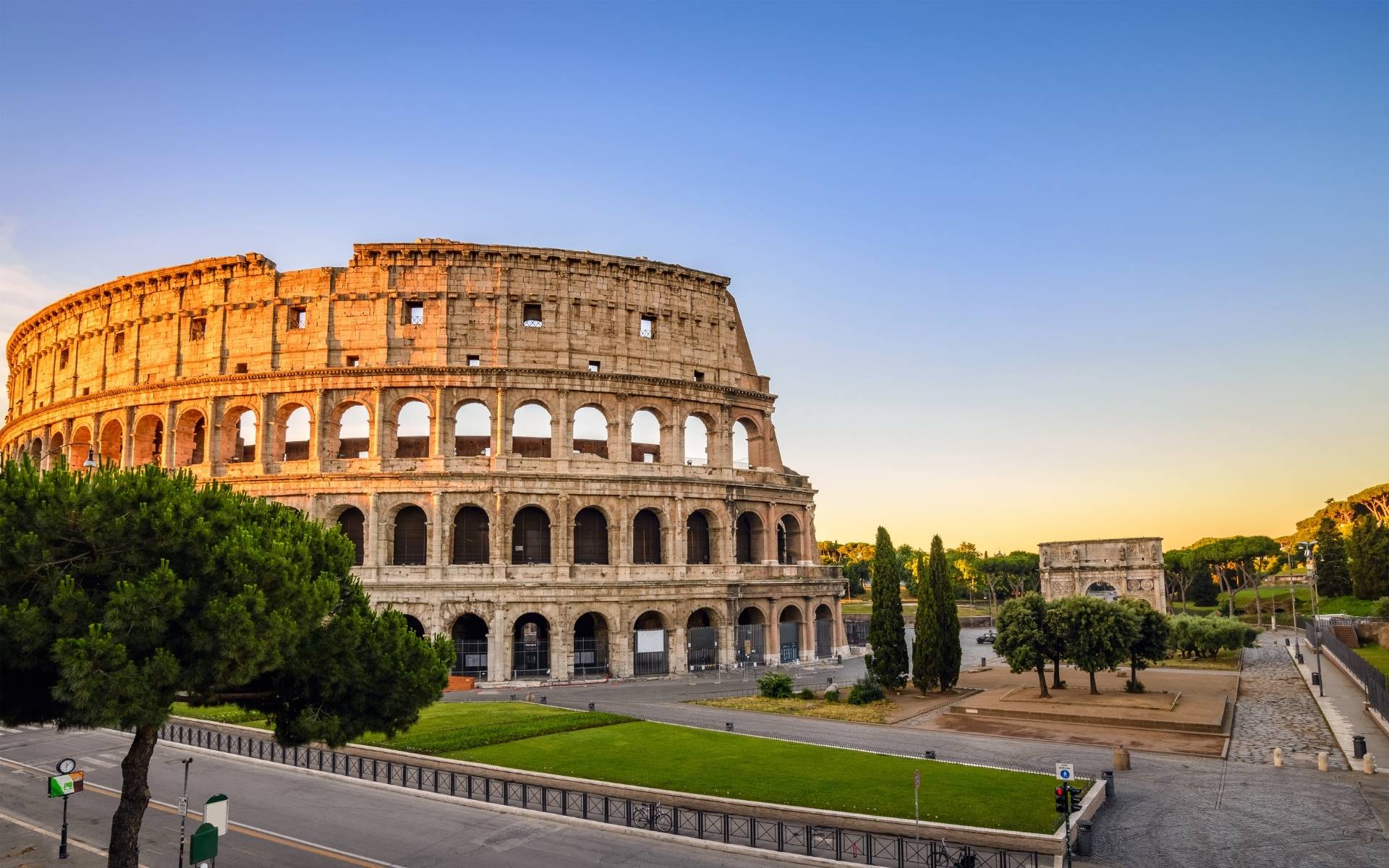
Rome is one of the most beautiful cities in the world. But how much money do you actually need to spend just 24 hours in the Italian capital?
Between cappuccinos, pasta, museums, public transport and accommodation, the final bill can be surprisingly high.
And in 2026, some of Rome’s most famous attractions have become more expensive. The Pantheon now costs €7, while tourists must pay €2 to access the area closest to the Trevi Fountain.
But here’s the good news: you can still enjoy an unforgettable day in Rome without spending a fortune.
We’ve calculated the cost of a typical day, from breakfast to dinner, and collected some of the best ways to save money while exploring the Eternal City.
Contents
Breakfast in Rome: From €3 to €15
Let’s start with one of Italy’s greatest traditions: coffee and a cornetto.
At a typical neighbourhood café, an espresso costs approximately €1.30–€1.50, while a cappuccino usually costs €1.50–€2.
Add a pastry, and you can enjoy a proper Italian breakfast for around €3–€4.
But prices change dramatically around famous attractions. Sitting outside a café overlooking Piazza Navona or the Pantheon could push your breakfast bill to €10–€15 or more.
The secret? Do what Italians do: drink your coffee standing at the counter, where prices are often significantly lower.
Getting Around Rome: Public Transport Is Still Cheap
Fortunately, moving around Rome doesn’t have to cost much.
A standard public transport ticket costs €1.50 and is valid for 100 minutes under the city’s ticket rules, covering buses, trams and metro services.
Visitors planning several journeys can purchase a 24-hour pass for €8.50, offering unlimited travel within the applicable urban network.
But Rome has an advantage that many tourists underestimate: most major attractions in the historic centre are within walking distance of each other.
The Pantheon, Trevi Fountain, Spanish Steps and Piazza Navona can all be explored on foot.
If you’re unfamiliar with the ticketing system, our guide to buying public transport tickets in Italy explains contactless payments, mobile tickets and how to avoid unnecessary fines.
For a typical day in central Rome, €3–€8.50 for transportation is usually a reasonable budget.
Visiting Rome’s Famous Attractions: How Much Will You Pay?
This is where spending can increase quickly.
Rome’s most famous archaeological sites and museums charge separate admission fees, and visiting several in one day can become expensive.
Here are some of the main prices in October 2026:
- Colosseum, Roman Forum and Palatine Hill: €18.
- Pantheon: €7.
- Trevi Fountain: €2 to access the inner area closest to the fountain.
- Vatican Museums and Sistine Chapel: €20, plus €5 for official online booking.
- Spanish Steps and Piazza Navona: Free.
- St Peter’s Square: Free.
Visiting the Colosseum, Pantheon and Trevi Fountain’s inner area would therefore cost €27 per person in standard admission fees.
Adding the Vatican Museums would bring the total to €52 with online booking, although fitting all these visits into one day would leave little time to enjoy the city itself.
For most travellers, choosing one or two paid attractions is a better strategy.
And if you’re considering a guided tour, read our guide to tour guides in Italy, their costs and what to check before booking to understand whether paying extra is worthwhile.
Eating in Rome: Lunch, Gelato, Aperitivo and Dinner
Rome is famous for carbonara, amatriciana, cacio e pepe and Roman-style pizza. Fortunately, you don’t need an expensive restaurant to eat well.
A takeaway pizza or sandwich can cost approximately €7–€12, while lunch at a casual trattoria typically requires around €15–€22 per person.
A small gelato costs around €3–€4.50.
Later in the day, a spritz or glass of wine for aperitivo might cost €7–€12, depending on the neighbourhood and whether snacks are included.
For dinner, budget approximately €20–€30 for a casual restaurant, or €35–€45 if you want a more complete meal with drinks and dessert.
A realistic daily food budget might therefore include:
- Breakfast: €3.50
- Lunch: €16
- Gelato: €4
- Aperitivo: €9
- Dinner: €27
Total: €59.50 per person.
These are illustrative prices rather than a statistical citywide average. The final cost depends heavily on where and what you eat.
The biggest difference usually comes from location. Restaurants directly facing Rome’s most famous landmarks often charge more than those a few streets away.
Sleeping in Rome: The Expense That Changes Everything
If you’re staying overnight, accommodation may become your biggest expense.
A double room in a reasonably located hotel can easily cost €140–€220 per night, depending on the season, booking date and property.
Luxury hotels near the historic centre can cost considerably more, while hostels and guesthouses may offer cheaper alternatives.
For our calculation, let’s assume two travellers share a €180 double room, paying €90 each.
Then there’s another cost many visitors forget: Rome’s tourist tax.
In 2026, the overnight tax is €6 per person at a three-star hotel, €7.50 at a four-star hotel and €10 at a five-star property.
That amount may be collected separately from the advertised room rate.
Before booking accommodation anywhere in Italy, read our guide to Italy’s tourist tax and how it affects hotel and Airbnb stays.
The Real Total: How Much Does One Day in Rome Cost?
Now let’s calculate the cost of a normal sightseeing day, assuming one adult travelling independently and sharing a hotel room with another person.
| Expense | Daily cost |
|---|---|
| Breakfast | €3.50 |
| Lunch | €16 |
| Gelato | €4 |
| Public transport | €3 |
| Colosseum | €18 |
| Pantheon | €7 |
| Trevi Fountain inner area | €2 |
| Aperitivo | €9 |
| Dinner | €27 |
| Total without accommodation | €89.50 |
| Hotel, shared double room | €90 |
| Tourist tax, four-star hotel | €7.50 |
| Total including accommodation | €187 |
That’s almost €190 for one day in Rome, without airport transfers, shopping, taxis or luxury experiences.
But this is only one possible itinerary, not an official average.
A budget traveller could spend around €45–€65 a day without accommodation, while someone choosing more expensive restaurants, taxis and additional attractions could easily exceed €150–€200 before paying for a hotel.
The good news? There are several ways to reduce the bill substantially.
Insider Tips: How to Save Money in Rome
1. Choose neighbourhood cafés. Breakfast standing at a local bar can cost less than half the price of sitting outside a tourist attraction.
2. Explore Rome on foot. Many of the city’s most famous landmarks are close together, and walking through the historic centre is an experience in itself.
3. Take advantage of free museum days. Many state museums and archaeological sites offer free admission on the first Sunday of the month. Check availability and booking requirements before visiting.
4. Enjoy free attractions. Piazza Navona, the Spanish Steps and St Peter’s Square cost nothing. Even the Trevi Fountain remains visible for free without entering its ticketed inner area.
5. Refill your water bottle. Rome has hundreds of public drinking fountains known as nasoni, providing free drinking water throughout the city.
6. Eat a few streets away from major monuments. Restaurants in less tourist-heavy areas can offer better value. Check menu prices and any additional charges before ordering.
7. Book official attraction tickets. Purchasing directly from official museum websites can help avoid unnecessary reseller markups. The Colosseum’s official booking website is a useful starting point.
8. Compare accommodation beyond the historic centre. Neighbourhoods connected by metro can be more affordable than staying beside Rome’s most famous attractions.
If you’re planning to explore other destinations after Rome, take a look at our guide to Europe’s most popular holiday destinations, while the official Rome tourism website provides updated information about attractions and events.
Ultimately, Rome can cost €50 or several hundred euros a day. The difference depends on your choices, from where you eat to how many paid attractions you visit.
But one thing has not changed: some of the best moments in the Eternal City — wandering through ancient streets, discovering beautiful piazzas and watching the sunset over Rome — are still completely free.