On November 1, something quite distinctive happens in Italy: the celebration of saints, the remembrance of the dead and popular traditions come together in a holiday that means much more than just a day off work. Cities become quieter, families get together, cemeteries fill with flowers and, in some towns, streets come alive with festivals and customs passed down through generations.
For people from abroad, however, the dates can be confusing: All Saints’ Day is not the same as All Souls’ Day, which falls on November 2. The two occasions are closely connected and are often celebrated together, but they have different meanings. Here is where the tradition comes from and why it remains an important part of Italian culture.
Contents
What does All Saints’ Day mean?
All Saints’ Day, known in Italian as Ognissanti or Festa di Tutti i Santi, is a Christian celebration dedicated to all the saints recognised by the Church, as well as those believed to have reached sainthood without being officially canonised. It is therefore not a day dedicated exclusively to the dead. Its religious meaning is to celebrate holiness and the bond between the Christian community and those who, according to Christian belief, have entered eternal life.
The origins of the celebration go back to the early centuries of Christianity, when some communities held special days in memory of martyrs. In Rome, in 609 or 610, Pope Boniface IV dedicated the Pantheon to the Virgin Mary and all martyrs, initially establishing the celebration on May 13. In the eighth century, Pope Gregory III introduced November 1 as the date in Rome. During the ninth century, Pope Gregory IV helped extend the celebration to the Western Church. This is how the holiday gradually took the form we know today.
All Saints’ Day and All Souls’ Day: What is the difference?
The Italian calendar places these two occasions next to each other, but November 1 and November 2 do not celebrate the same thing. All Saints’ Day honours all saints, while the following day is All Souls’ Day, when the Catholic Church remembers the faithful who have died. It is traditionally marked by prayer and visits to cemeteries. The observance of November 2 spread through the Western Church during the Middle Ages, partly thanks to the initiative of Odilo, Abbot of Cluny, around the year 1000.
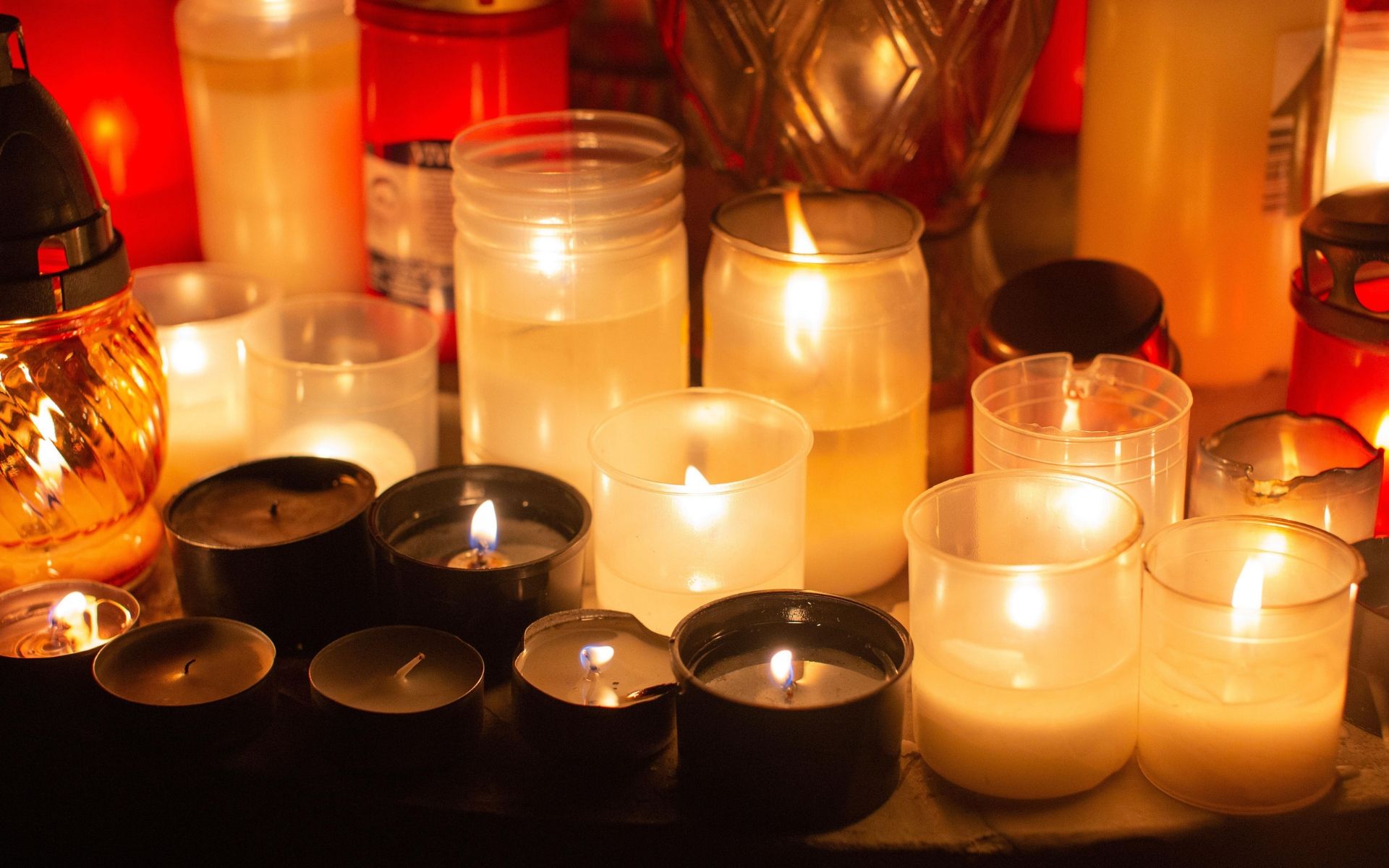
In Italy, the two days are often connected through familiar family customs. Bringing flowers to graves, especially chrysanthemums, lighting candles and attending religious services are among the most widespread traditions. For many families, the All Saints’ holiday is also an opportunity to return to their hometowns and meet relatives who live far away. It is therefore a time that combines religious observance with personal and collective remembrance.
Bonfires, pumpkins and sweets: Unusual Italian traditions
Some parts of Italy still have particularly distinctive customs during the All Saints’ period. In Orsara di Puglia, in the province of Foggia, November 1 is marked by the Fucacoste e Cocce Priatorije festival. Bonfires are lit throughout the town, alongside carved pumpkins with small candles inside. The flames and lights symbolically connect the world of the living with that of the dead. Sardinia has a different tradition: Is Animeddas and Su Mortu Mortu. In several villages, children go from door to door asking for small gifts in the name of the souls of the dead. In the past, they were given bread, fruit and other local products; today, sweets and chocolates are more common.
November 2 is also a special day for children in Sicily: according to local tradition, deceased relatives bring them sweets and presents. Typical treats include pupi di zucchero, colourful handmade sugar figures, frutta martorana (marzipan shaped like realistic fruit) and ossa di morto, traditional biscuits. In Palermo, this cultural heritage is also celebrated through events such as Notte di Zucchero, which features shows, workshops and family activities. In Perugia, meanwhile, the season is associated with the Fiera dei Morti, a historic fair taking place from October 31 to November 5 in 2026, with market stalls, crafts and regional food. These traditions may be different, but they all turn remembrance into a shared community experience.