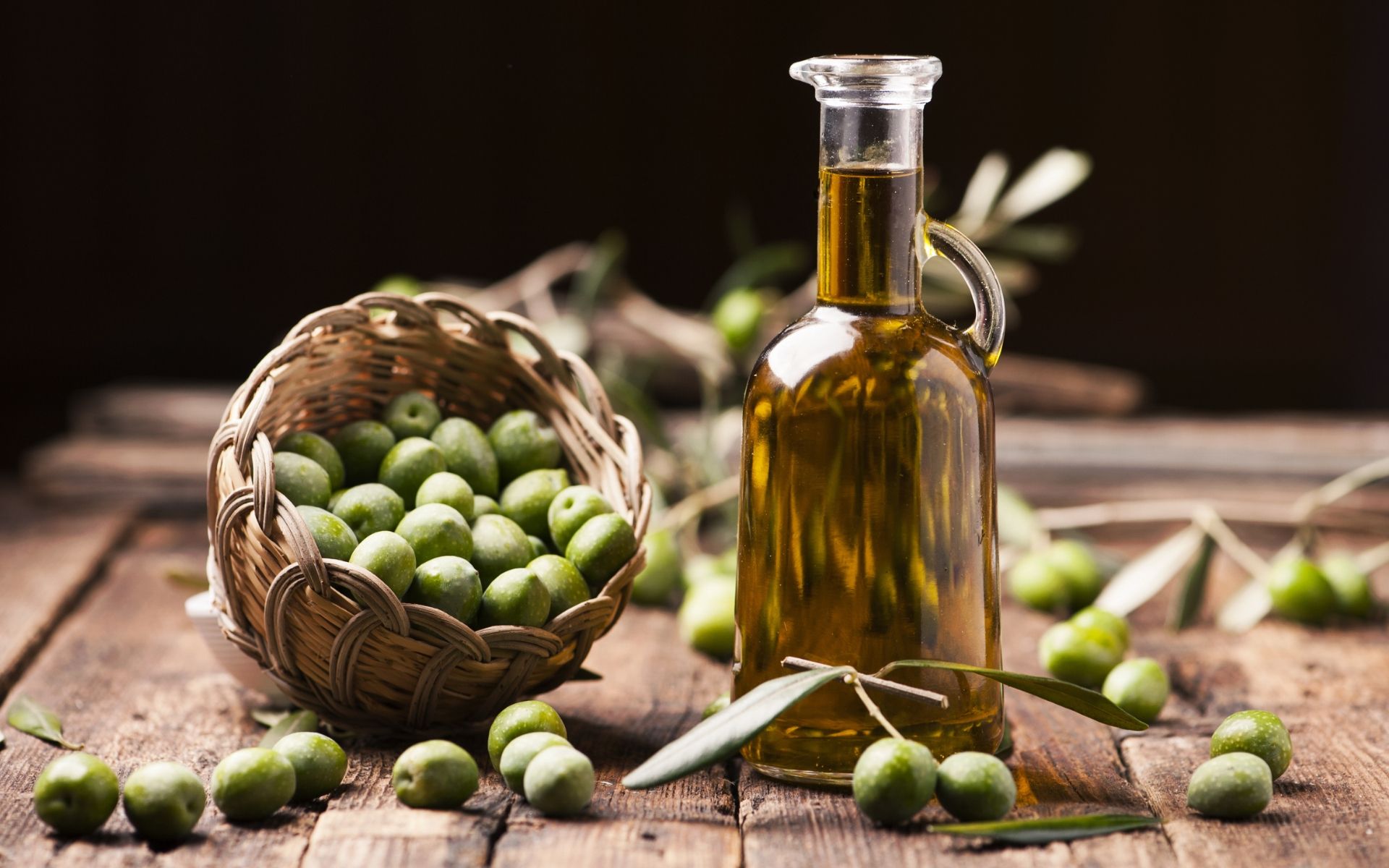
Tuscany is heading towards a strong olive oil season, but the real battle will be fought in the marketplace. Early estimates for Toscano IGP olive oil point to production 35–40% above the average of the past ten years, offering a positive signal after difficult seasons and a potential boost for producers and mills.
But there is one detail that makes the outlook particularly interesting: producing more olive oil does not automatically mean making more money. From the prices paid to growers to processing and bottling costs, export opportunities and international competition, the difference between a good harvest and a genuinely profitable season can be considerable.
Contents
Italy’s olive oil production is recovering
The outlook for Tuscany reflects a broader recovery in Italian olive oil production. According to ISMEA, Italy’s 2025–26 olive oil campaign ended with an estimated output of around 325,000 tonnes, approximately 31% higher than the previous season. This recovery is significant for an industry that has faced increasingly challenging weather conditions and substantial fluctuations in production.
However, the Tuscan figures need to be interpreted carefully. The forecast of a 35–40% increase refers specifically to Toscano IGP olive oil compared with its ten-year average, not to the entire region’s output. Early estimates also remain subject to change while harvesting and processing operations continue.
A global market worth billions
Italy remains a major player in the international olive oil trade. ISMEA data show that Italian olive oil exports reached around 344,000 tonnes in 2024, worth more than 3.09 billion of euro. Compared with 2023, export volumes increased by 6.8%, while their value rose by 42.6%, reflecting the impact of higher prices as well as the importance of foreign markets to Italian producers.
The United States, Germany and France are among the key destinations for Italian olive oil, while markets outside Europe offer further opportunities for expansion. Japan and other international markets could help Italian companies diversify their sales, although success depends on consumer demand, distribution networks, pricing and competition from other producing countries.
More oil does not necessarily mean higher profits
A larger harvest can help producers recover volumes lost in weaker seasons, but the final financial outcome depends on more than the amount of oil produced. The prices growers receive for their olives, labour expenses, milling, packaging and distribution costs all affect how much money businesses ultimately retain. For smaller producers, certification and the costs of maintaining quality standards can also make a difference.
Prices across the Italian olive oil market have come under pressure during 2026, following the increase in supply. Tuscan IGP prices have shown greater stability, but this does not guarantee higher earnings for every business. The key question is whether producers can sell their additional output at prices that cover their costs and protect their margins.
Exports and demand will shape the season
Italy’s position in the international market also depends on the relationship between domestic production and consumption. ISTAT estimates put Italian olive oil production in 2025 at around 379 million litres, while imports remain an important part of national supply. These figures use different units and reference periods from the production estimates expressed in tonnes, so they should not be compared directly.
Global supply will also influence prices. The International Olive Council forecast world olive oil production of approximately 3.44 million tonnes for the 2025–26 season, around 4% lower than in the previous crop year. That outlook highlights how conditions in other producing countries can affect the competitive environment facing Italian companies.
For Tuscan producers, a strong harvest is an opportunity, not a guarantee. The businesses most likely to benefit will be those able to combine reliable production with cost control, strong distribution and access to customers willing to pay for quality and origin. The real measure of success will not simply be how much oil is made, but how much value the supply chain manages to retain.