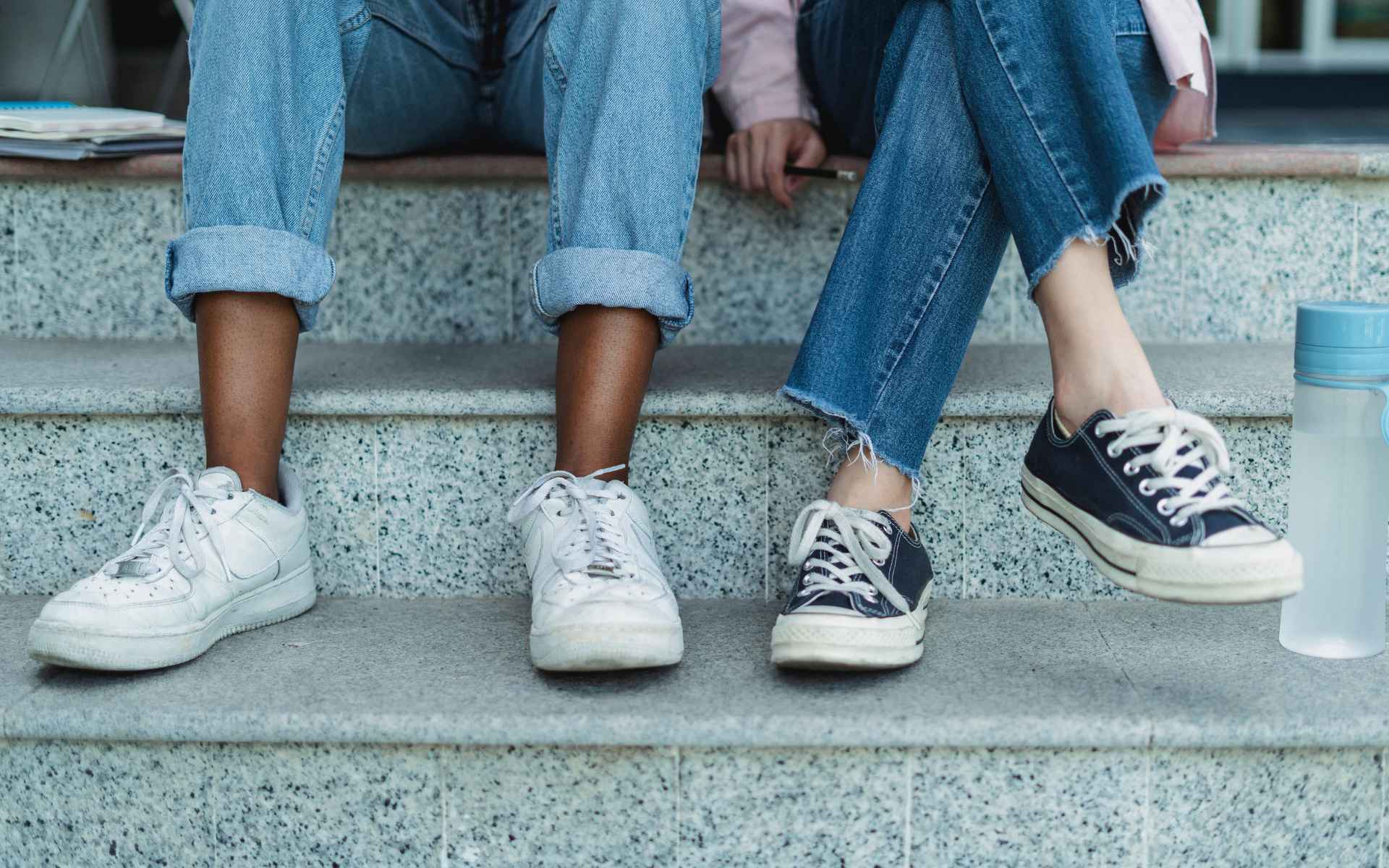
The global footwear industry makes billions of shoes every year. Most worn-out sneakers end up in local landfills. Modern athletic shoes combine rubber, foam, synthetic textiles, and heavy glues. This mix makes traditional recycling very difficult. Today, new circular economy projects are solving this environmental problem. Brands are turning old footwear into durable surfaces for public parks.
This initiative helps eco-conscious expats, urban planners, and local residents understand the power of waste reduction.
Contents
Tuscan Innovation: Moaconcept Turns Shoes Into Playgrounds
Italian brand Moaconcept leads this sustainable push from Tuscany. The company collects used sneakers through participating retail stores across the country. Workers separate the upper fabric from the rubber soles. Specialized machines grind the recovered rubber into tiny granules.
Local teams use these granules to install shock-absorbent flooring for children’s playgrounds and basketball courts. The project reduces municipal waste while creating safer public spaces for local families.
Second-Hand Trends: The Vintage Market Meets Recycling
The explosive growth of pre-owned fashion changes how people view shoe lifespans. Enthusiasts trade and preserve classic pairs within the global vintage market. Thrift shops and online platforms extend the useful life of wearable shoes for years.
However, even shoes from the vintage market eventually wear out completely. When a sneaker reaches the end of its life, circular recycling takes over. Passing unwearable pairs from second-hand shops straight to shredding facilities keeps trash out of city incinerators.
Global Precedents: Nike Reuse-A-Shoe in North America
Major global corporations also run large-scale footwear recycling operations. The Nike Reuse-A-Shoe program operates extensively across North America and Europe. Drop-off bins in retail stores allow customers to donate old athletic shoes from any manufacturer.
Processing plants grind these shoes into raw materials called Nike Grind rubber, foam, and fabric fluff. Municipalities in the United States purchase this recycled material to build high-school running tracks, public tennis courts, and artificial turf fields.
European Solutions: Subscriptions and Community Drives
European shoe brands continue introducing fresh circular business models. Swiss manufacturer On launched a subscription service for fully recyclable running shoes. Customers pay a monthly fee, run in the shoes, and return them for a fresh pair when worn out. The company melts down the old materials to manufacture brand-new footwear.
In the United Kingdom, non-profit initiatives like JogOn organize community collection drives. Logistics partners help collect thousands of unwanted shoes every month. Workers send usable pairs to developing nations and route ruined sneakers directly to industrial recyclers.
The Future of Sustainable Urban Infrastructure
Converting old sneakers into playground floors proves the value of circular manufacturing. Consumers now demand clear environmental action from fashion manufacturers. Partnerships between footwear brands, municipal leaders, and recycling plants will continue to grow. Turning personal consumer waste into public park infrastructure creates real benefits for urban communities everywhere.