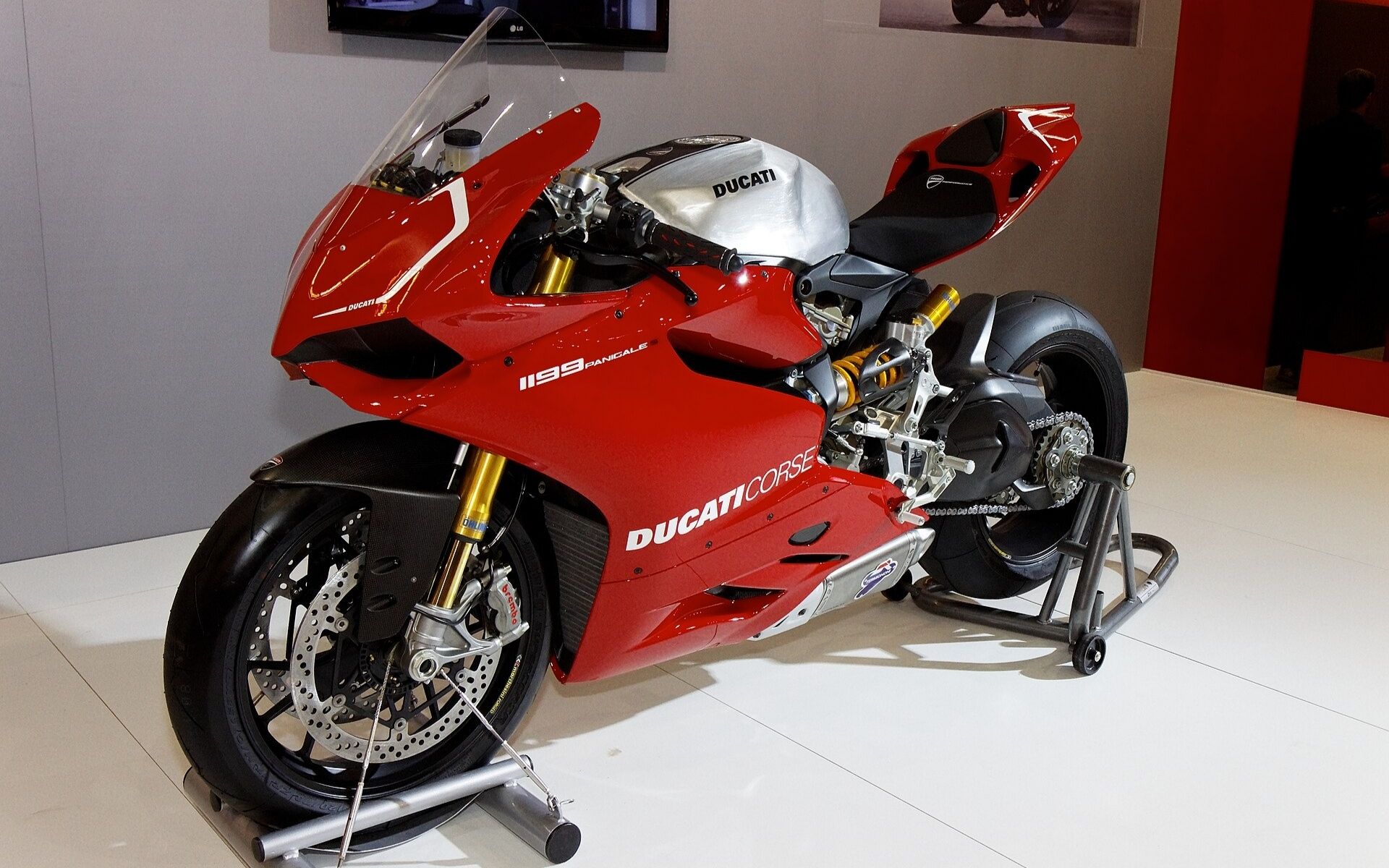
The future of Ducati has suddenly become a subject of debate. The Italian motorcycle manufacturer remains one of the most valuable premium brands in the global two-wheeler industry, but its latest financial figures and the difficult situation of parent company Volkswagen have raised questions about what comes next. Ducati delivered 50,895 motorcycles worldwide in 2025, down from 54,495 in 2024.
Revenue fell from euro 1.003 billion to euro 925 million, while operating profit dropped from euro 91 million to euro 52 million. At the same time, Volkswagen is under pressure to reduce costs, restructure its business and review its huge portfolio of brands and investments. Reuters has confirmed that the German group is considering the future of Ducati, although no decision to sell the company has been taken.
Contents
Ducati is slowing down, but Europe is not
One of the most interesting aspects of the story is that Ducati’s difficulties cannot simply be explained by a collapsing European motorcycle market. In fact, the opposite is happening. According to the European Association of Motorcycle Manufacturers, registrations in France, Germany, Italy, Spain and the UK reached 636,490 motorcycles in the first half of 2026, an increase of 16.8% compared with the same period of 2025.
Ducati, however, experienced a more complicated 2025. Its deliveries in Italy, its largest market, fell by 8% to 8,803 motorcycles, while Germany, its third-largest market, dropped by 12% to 5,759 units. Spain was one of the exceptions, with deliveries increasing by 15%. This means that the problem is not a general collapse in European demand for motorcycles. Ducati is facing a more specific challenge: maintaining volumes in a market that is becoming increasingly competitive, while continuing to sell relatively expensive premium motorcycles.
The Volkswagen problem and the cost of production
The biggest uncertainty may therefore come from Volkswagen rather than Ducati itself. Volkswagen reported euro 321.9 billion in revenue in 2025, but its operating result fell to euro 8.9 billion, down 53% from the previous year. The group is planning a major restructuring, including substantial cost reductions and possible closures of German factories, while facing intense competition from Chinese manufacturers and weak profitability in its traditional automotive business.
Against this background, Volkswagen is reviewing hundreds of businesses and investments, and Ducati has emerged as a possible asset that could be sold or reorganised. At the same time, Ducati is not immune to the wider increase in energy, raw-material and component costs affecting European manufacturing. Steel, aluminium and other industrial inputs, together with transportation and energy, have become more expensive and more volatile as geopolitical tensions disrupt global supply chains. Ducati itself described 2025 as a challenging year and cited broader macroeconomic and geopolitical conditions among the factors affecting its performance.
What could happen to Ducati?
There are therefore several possible scenarios, and none currently amounts to a confirmed crisis at Ducati. Volkswagen could decide to keep the brand within the group while giving it greater autonomy, as it has done with other premium businesses. Alternatively, Ducati could become one of the assets sold as Volkswagen attempts to simplify its portfolio and generate additional financial resources.
A third possibility would be a partnership or a partial restructuring rather than a complete sale. The financial numbers explain why the discussion exists: Ducati remains profitable, but its euro 52 million operating profit in 2025 was substantially below the euro 91 million recorded in 2024. At the same time, the brand retains enormous commercial value, a globally recognised identity and a strong position in motorsport.
Racing remains Ducati’s strongest asset
On the sporting side, the picture is considerably more positive. Ducati remains one of the dominant forces in MotoGP, with Marc Márquez and Francesco Bagnaia continuing to represent the factory team. Márquez won the 2026 San Marino Grand Prix at Misano on September 13, moving back to the top of the championship standings, while Ducati has continued to fight at the front throughout the season. This sporting success is commercially important because MotoGP provides Ducati with global visibility that few motorcycle manufacturers can match.
The real question for the future is therefore not whether the brand has lost its value. It is who will own Ducati, how much Volkswagen will continue to invest in it, and whether the company can return to higher volumes and profitability without weakening its premium positioning. For now, there is no evidence of an imminent collapse — but there are enough financial and strategic questions to explain why Ducati’s future has become a major topic of discussion.