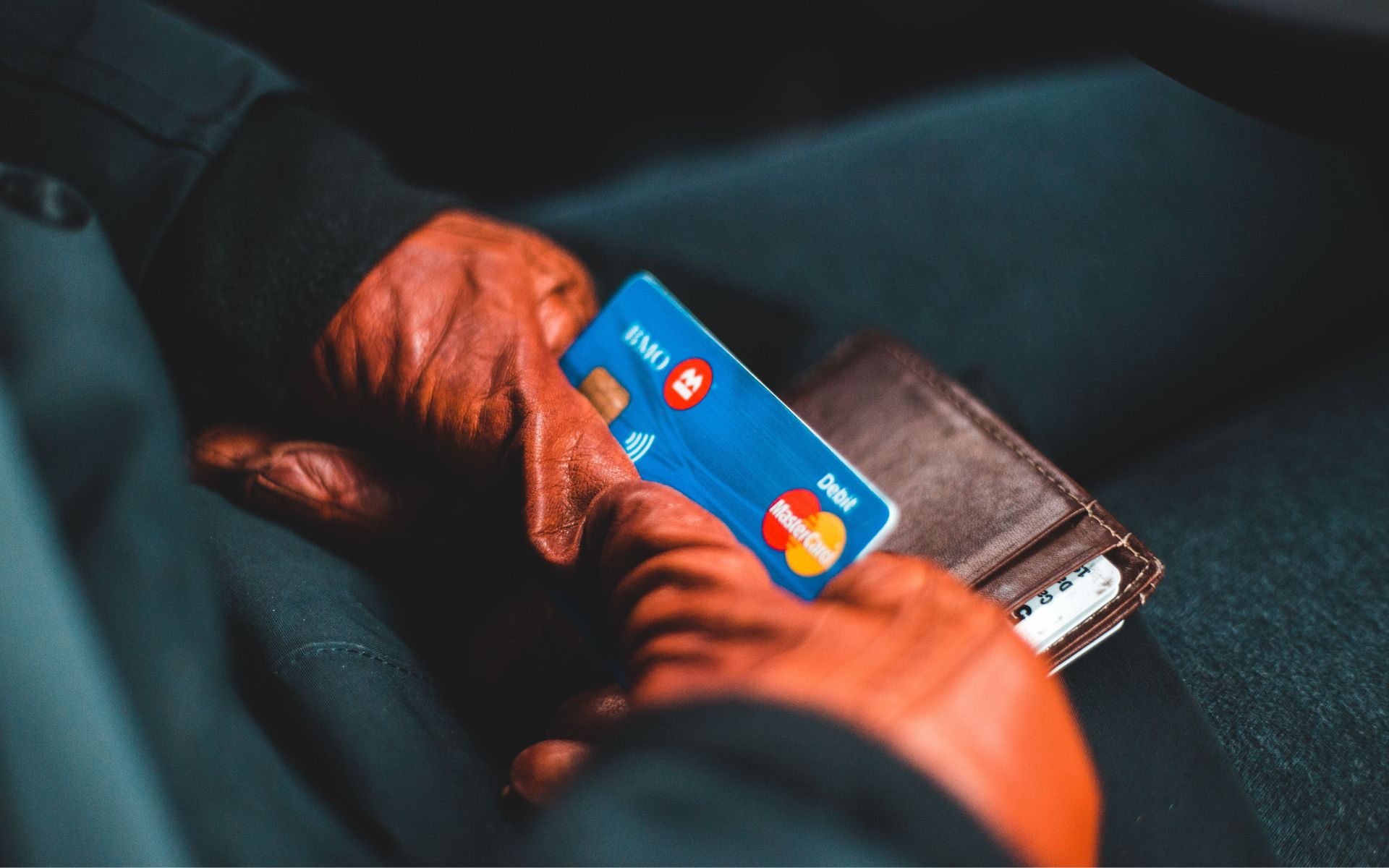
When moving to Europe, many newcomers assume that all payment cards work identically at payment terminals. However, European banks, car rental agencies, and merchants draw a sharp line between credit cards and debit cards.
Knowing when to use each card type prevents unexpected payment rejections, high hold fees, and hidden currency conversion traps during your daily life abroad.
Contents
How Credit and Debit Cards Work in Europe
The primary distinction between these two card types involves where the merchant pulls funds during a transaction:
- Debit Cards: A debit card connects directly to your checking account. Consequently, the bank deducts money instantly when you authorize a purchase. If your bank account lacks sufficient funds, the terminal declines the transaction immediately.
- Credit Cards: A credit card uses a pre-approved monthly credit line from your issuing bank. Therefore, the card issuer pays the merchant on your behalf, and you repay the balance later through a single monthly payment or installment plan.
The Car Rental and Hotel Deposit Trap
While debit cards handle everyday supermarket runs smoothly, credit cards remain essential for specific travel services across Europe.
Car rental companies in particular almost universally require a real credit card in the primary driver’s name. When you collect a vehicle, the rental desk places a temporary security hold (often between €500 and €2,000) on your card to cover potential vehicle damage or unpaid tolls. Credit cards process this temporary security hold easily without deducting actual cash from your bank account.
Conversely, using a debit card for a vehicle deposit forces the rental agency to withdraw real money directly from your checking account. As a result, you lose access to those funds until weeks after returning the car. Furthermore, many European rental desks simply refuse debit cards outright at the counter.
How to Avoid Currency Conversion Traps
Traveling between Eurozone nations and non-Euro countries (such as Switzerland, the UK, or Scandinavian states) introduces currency exchange fees. Merchant payment terminals often trigger a deceptive feature called Dynamic Currency Conversion (DCC).
When paying abroad, the terminal interface asks if you prefer paying in your home currency or the local currency. You should always choose the local currency. Selecting your home currency forces the merchant’s foreign bank to calculate the exchange rate, adding hidden markup fees between 5% and 10%. Selecting the local currency lets your own bank process the exchange at much lower standard interbank rates.
Traditional Banks vs FinTech Alternatives
Opening a traditional European bank account and obtaining a local credit card takes time because local banks usually demand proof of employment, a long-term residency permit, and local credit history.
For this reason, many expats rely on digital FinTech banks (such as Revolut, N26, or Wise) upon arrival. These platforms issue instant multi-currency debit cards that allow users to hold and exchange different currencies at minimal cost. While these digital debit cards excel for daily spending and international transfers, keeping at least one physical credit card in your wallet remains the smartest backup strategy for emergencies and car rentals.
Online Payment Security and Fraud Protection
Shopping online across international e-commerce platforms requires strong security features. Fortunately, European banking regulations enforce Strict Customer Authentication (SCA) under the PSD2 directive. Consequently, every online transaction requires two-factor authentication through your mobile banking app or an SMS passcode.
Furthermore, credit cards offer superior financial protection against fraud compared to debit cards through chargeback mechanisms. If a merchant fails to deliver your order or a scam website steals your details, your credit card issuer refunds the disputed amount while investigating the claim. On the other hand, stolen debit card details expose your actual checking account balance directly. Therefore, using virtual single-use debit cards from FinTech apps or relying on credit cards remains the safest practice for online shopping.
At a Glance: Which Card Should You Use?
| Use Case | Recommended Card | Primary Benefit |
|---|---|---|
| Daily Shopping & Dining | Debit Card | Direct spending control without interest charges |
| Car Rentals & Hotels | Credit Card | Handles security deposits without freezing cash |
| Non-Eurozone Travel | Multi-currency FinTech Debit | Avoids foreign exchange markups and ATM fees |
| Large Online Purchases | Credit Card | Stronger chargeback protection against fraud |
In conclusion, maintaining a hybrid approach works best across Europe. Use a multi-currency debit card for your daily routine, but keep an active credit card ready for hotel deposits, car rentals, and major travel bookings.
What Is the Best Credit and Debit Card in Europe?
Determining the single “best” card depends entirely on your residency status, travel habits, and personal financial priorities. However, clear market leaders stand out for expats across Europe:
- Best Debit Card for Expats: Multi-currency FinTech debit cards win this category easily. Apps like Revolut and Wise allow you to hold dozens of currencies simultaneously, exchange money at real interbank rates, and spend abroad without foreign transaction fees. Therefore, they serve as the ultimate everyday debit card for international residents.
- Best Credit Card for Expats: American Express options (such as the Gold or Platinum cards) rank highly for frequent travelers due to international point transfers, comprehensive travel insurance, and global customer support. Alternatively, traditional local bank credit cards (like BNP Paribas in France, Intesa Sanpaolo in Italy, or Deutsche Bank in Germany) offer the best integration for building a long-term local credit history.