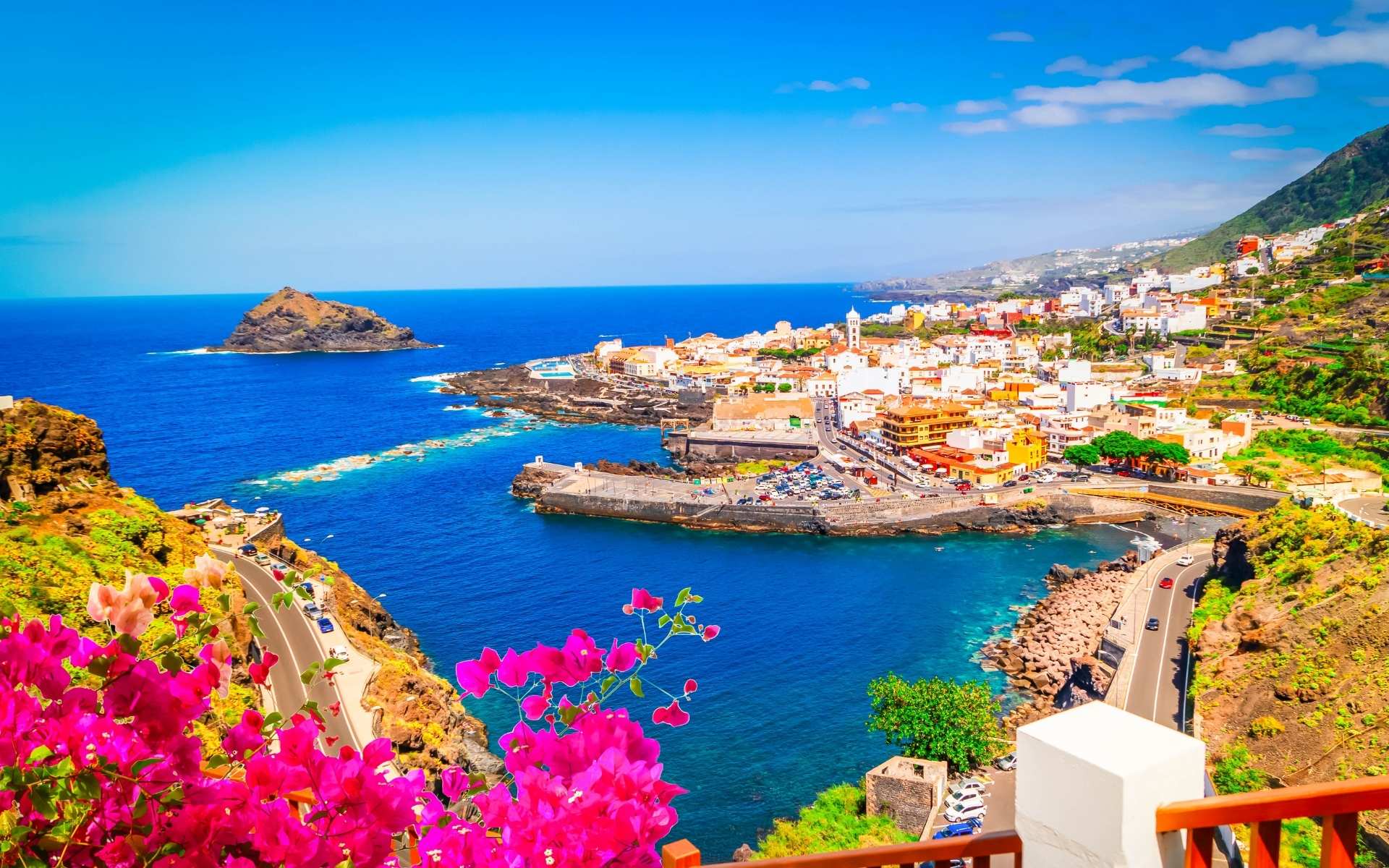
Every summer, millions of Europeans seem to make the same decision. They go to Spain.
Some head for Ibiza and Mallorca. Others choose the Costa del Sol, Barcelona, Alicante or the Canary Islands. Families book resorts, groups of friends chase nightlife and couples look for smaller coastal towns where dinner begins late and the beach is never far away.
The numbers explain just how powerful that attraction has become. Spain welcomed a record 96.8 million international tourists in 2025, up 3.2% from the previous year. For summer 2026, Turespaña expects around 43 million international visitors between June and September, another increase on last year.
Spain is therefore not simply a popular European holiday destination. It has become one of the world’s great tourism superpowers.
But its success is not based on one famous city or one beautiful coastline. The real advantage is that Spain can offer several completely different summer holidays without leaving the same country.
Contents
Spain Has Almost Every Kind of Beach Holiday
For most summer travelers, the story starts with the sea.
Spain has almost 8,000 kilometres of coastline and more than 3,500 beaches, stretching across the Mediterranean, Atlantic Ocean and Cantabrian Sea.
That geographical variety matters.
The Mediterranean coast offers the warm water and classic resort atmosphere associated with places such as the Costa Blanca and Costa del Sol. Northern Spain provides greener landscapes, dramatic cliffs and cooler Atlantic conditions. Then there are the islands, which effectively give Spain several additional holiday destinations within the same national tourism market.
A traveler looking for long sandy beaches can choose one part of the country, while someone searching for small turquoise coves can choose another. Surfers, families, luxury travelers and backpackers can all find areas designed around completely different styles of holiday.
Few European countries can compete with that level of choice.
The Balearic Islands Give Spain a Huge Summer Advantage
Mallorca, Ibiza, Menorca and Formentera could almost function as successful tourism countries on their own.
Together, the Balearic Islands give Spain access to one of the most recognizable summer brands in Europe.
Mallorca is particularly versatile. Palma offers history, restaurants and nightlife, while the rest of the island combines resorts, mountain landscapes, traditional villages and hundreds of beaches and coves.
Ibiza operates differently. Its global reputation is built around nightlife and electronic music, but the island also attracts visitors for boutique hotels, restaurants, quiet northern beaches and some of the Mediterranean’s most famous sunsets.
Menorca and Formentera provide the alternative: smaller, quieter and generally more focused on nature and beaches.
The result is that Spain can target very different travelers without losing the strength of the same overall destination.
And Then There Are the Canary Islands
The Canary Islands give Spain another advantage that most Mediterranean destinations simply cannot reproduce.
Located off the northwest coast of Africa, islands such as Tenerife, Gran Canaria, Lanzarote and Fuerteventura offer warm weather and beach tourism far beyond the traditional July-and-August season.
Volcanic landscapes also make them visually different from the Balearics and mainland Spain. Travelers can move between black-sand beaches, dunes, mountains and resort towns within a relatively small area.
For the Spanish tourism industry, this effectively extends the summer product throughout much of the year.
Spain Lets You Combine a City Break With the Beach
This may be one of Spain’s most underrated advantages.
In many countries, travelers have to choose between a cultural city break and a beach holiday. In Spain, they can often have both in the same day.
Barcelona combines architecture, museums, restaurants and nightlife with an urban coastline. Valencia offers a historic center, futuristic architecture and large Mediterranean beaches. Malaga has transformed itself from an airport gateway into a cultural destination with museums, restaurants and a revitalized historic center only minutes from the sea.
Alicante follows the same formula on a smaller scale.
This is particularly attractive for international visitors who do not want to spend an entire week inside a resort. A morning can be dedicated to museums or shopping, the afternoon to the beach and the evening to restaurants and nightlife.
That flexibility helps explain why Spanish coastal cities attract not only traditional beach tourists, but also younger travelers and couples looking for a more varied trip.
The Weather Makes Summer Planning Easy
Weather is never completely predictable, but Spain offers something valuable to holidaymakers: a very high probability of sunshine in many of its most popular summer regions.
Southern and eastern Spain regularly experience long periods of dry weather during July and August. Areas such as the Costa del Sol are famous for hundreds of sunny days each year, while the Mediterranean coast benefits from warm sea temperatures during the peak holiday season.
For someone spending a significant amount of money on flights and accommodation, that reliability matters.
It is one reason northern Europeans in particular have returned to Spain generation after generation. The United Kingdom remained Spain’s largest source of international tourists in 2025, followed by France and Germany.
Spain offers something extremely simple but incredibly valuable: when people book a summer holiday, there is a good chance it will actually feel like summer.
Nightlife Keeps Spain at the Center of the European Summer
Spain’s appeal does not end when the sun goes down.
From Ibiza’s superclubs to rooftop bars in Barcelona and beach clubs along the Costa del Sol, the country has built a nightlife reputation that few European destinations can match.
That matters especially for younger travelers and groups of friends choosing where to spend a summer week. In places such as Ibiza, Marbella, Mallorca and Barcelona, nightlife is not an extra—it is part of the destination itself.
The combination of beaches by day and entertainment by night gives Spain a major competitive advantage over destinations that are strong in only one area.
Food and Culture Make the Trip Feel Bigger
Spain also benefits from something that pure resort destinations often struggle to offer: cultural depth.
A summer holiday can include tapas in Seville, pintxos in San Sebastián, paella in Valencia or fresh seafood in Galicia. Food is not simply part of the trip—it is one of the main reasons many visitors return.
Culture adds another layer. Historic centers, cathedrals, museums, festivals and local traditions mean travelers can build a completely different itinerary around the same destination.
That is particularly important for repeat visitors. Someone who has already spent one summer on Mallorca can return the following year and choose Andalusia, Valencia, the Basque Country or the Canary Islands without feeling like they are taking the same holiday again.
Spain Works for Almost Every Budget
Another reason Spain remains so popular is accessibility.
The country offers luxury resorts, boutique hotels and high-end villas, but it also has one of Europe’s largest selections of apartments, hostels, mid-range hotels and package holidays.
Competition between airlines and the sheer number of airports serving tourist areas also help keep travel options broad.
That does not mean Spain is always cheap. Ibiza, Marbella and central Barcelona can become extremely expensive in peak season. But compared with many premium Mediterranean destinations, travelers can still choose from a wide range of price points.
That flexibility makes Spain attractive to families, young travelers, couples and luxury tourists at the same time.
Flight Connections Make Spain Easy to Reach
Spain’s tourism success is also supported by its aviation network.
Madrid and Barcelona are major international hubs, while airports such as Palma de Mallorca, Malaga, Alicante, Ibiza and Tenerife receive huge numbers of direct seasonal flights from across Europe.
For many travelers in the UK, France, Germany, Italy, the Netherlands and Scandinavia, reaching Spain means a relatively short direct flight rather than a complex journey with connections.
This convenience matters more than it may seem. When travelers compare similar beach destinations, the possibility of flying directly from their nearest airport can be enough to decide the entire trip.
Why Do Tourists Keep Coming Back?
Perhaps the clearest sign of Spain’s strength is not how many people visit once, but how many return.
Spain has spent decades building a tourism infrastructure capable of handling enormous volumes of travelers. Hotels, airports, restaurants, beach resorts, public transport and tour operators are accustomed to serving international visitors.
English and other European languages are widely understood in major tourist areas, while the country’s large expat communities can make destinations feel familiar even to first-time visitors.
At the same time, Spain still offers enough regional identity to avoid feeling completely standardized. A holiday in Galicia is very different from one in Ibiza, and Tenerife feels nothing like Barcelona.
This balance between familiarity and variety is difficult to replicate.
Spain’s Success Is Creating New Challenges
Tourism at this scale also comes with problems.
Some of Spain’s most visited destinations have faced growing concerns over overcrowding, housing pressure and the impact of short-term rentals on local residents.
Demonstrations against overtourism have taken place in several popular areas, while local and regional governments are increasingly discussing tourist taxes, rental restrictions and limits on certain types of visitor accommodation.
This does not mean Spain is becoming less attractive. If anything, it shows the opposite: demand has become so strong that managing tourism is now one of the country’s biggest policy challenges.
Why Spain Still Wins the Summer
Spain’s tourism dominance is not based on one single advantage.
It is the combination that matters: thousands of beaches, reliable sunshine, famous islands, lively cities, nightlife, food, culture, direct flights and enough accommodation to serve almost every type of traveler.
That explains why international arrivals continue to break records even after decades of mass tourism.
For travelers still deciding where to go this summer, our guide to Europe’s most wanted August holiday destinations compares some of the continent’s biggest summer hotspots.
For official information on destinations, beaches, islands and travel planning, readers can consult Spain’s official tourism portal.