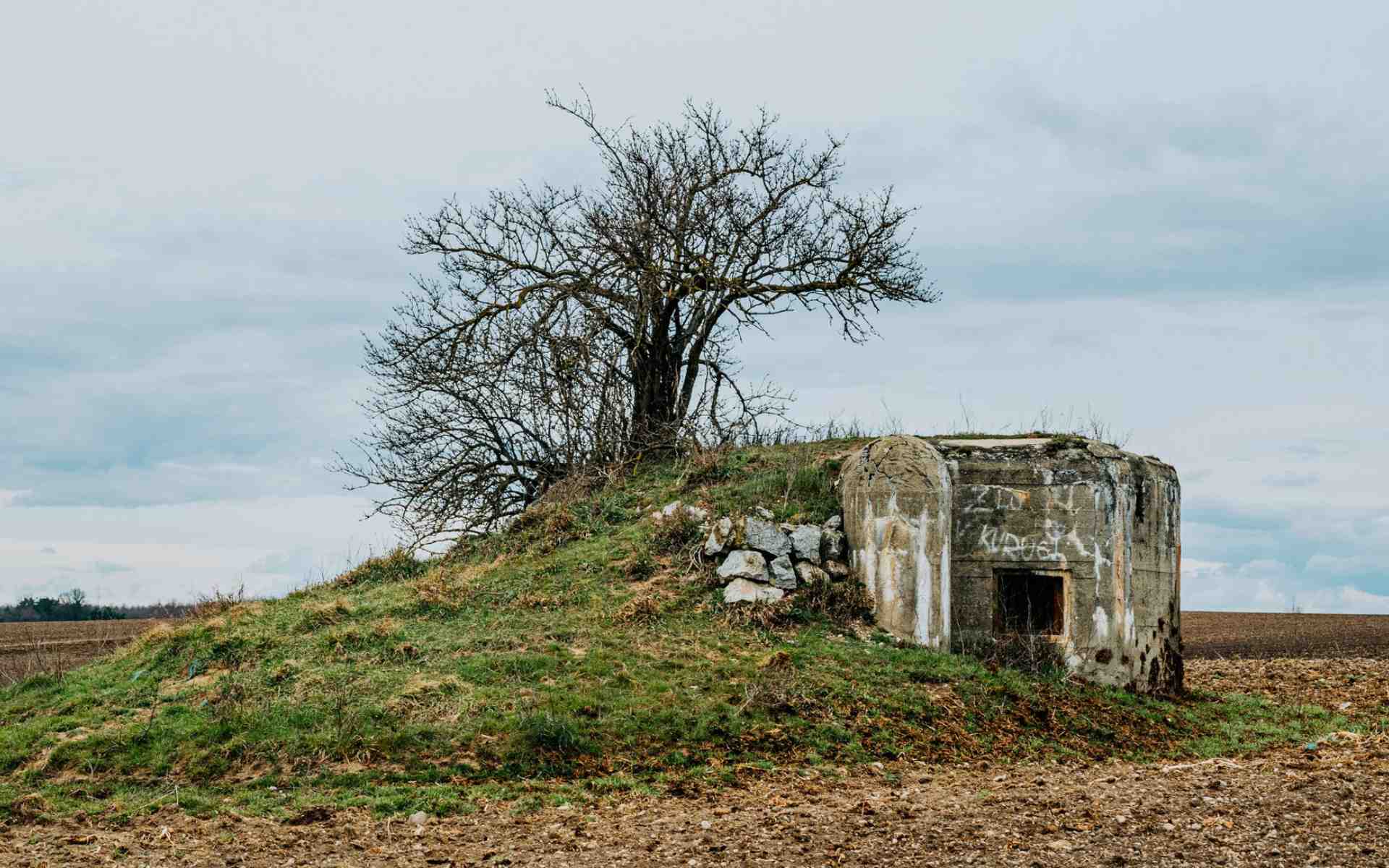
Across Eastern Europe and the Baltic states, an unusual real estate trend is quietly attracting international buyers and off-grid enthusiasts. Instead of purchasing traditional city apartments, a small but visible number of people are acquiring abandoned bunkers, from Soviet-era shelters to older border fortifications, to transform them into homes. Consequently, forgotten Cold War concrete shelters are finding new life as unconventional subterranean residences.
Indeed, soaring urban property prices and rising geopolitical anxieties have fueled this surprising shift toward underground living. Understanding what drives these buyers and what hidden challenges await beneath the surface is essential before considering such an investment.
Contents
Why Buyers Are Moving Into Abandoned Bunkers
Abandoned bunkers and other surplus military sites across Central and Eastern Europe regularly go on sale at bargain prices. In Czechia, for example, the Defence Ministry’s property office has been selling small concrete bunkers built in the 1930s against Nazi Germany, known locally as řopíky. More than 2,400 of them have already passed to private owners, municipalities and other public bodies, and starting prices are often below €4,000. In many cases, buyers can acquire reinforced concrete structures with thick blast doors for less than a modest suburban garage. However, low entry prices represent only part of the appeal for modern subterranean homeowners.
Key motivations driving this underground housing trend include:
- Thick reinforced concrete walls provide natural thermal insulation that keeps interior temperatures stable throughout harsh winters.
- Remote forest locations offer complete privacy and physical isolation away from crowded European metropolitan centers.
- Self-sufficient energy systems allow residents to live completely off-grid using solar panels and deep water wells.
- Existing military fortifications appeal to survivalists seeking maximum structural protection against extreme weather or global instability.
Furthermore, social media creators and architectural designers have popularized these dramatic concrete conversions online. Therefore, living inside a Cold War relic has evolved from an eccentric survivalist hobby into a viral lifestyle statement.
The Hidden Costs of Renovating Abandoned Bunkers
While purchasing one of these abandoned bunkers often requires a surprisingly small upfront budget, making it livable demands substantial capital. Decades of neglect leave many former military facilities flooded with groundwater, stripped of wiring, and contaminated by industrial residue. In fact, transforming a damp military shelter into a healthy residence frequently costs far more than the initial property purchase.
Major renovation hurdles facing underground property owners include:
- Installing industrial-grade ventilation and dehumidification systems to prevent toxic mold growth and stale air accumulation.
- Sealing cracked exterior concrete slabs against persistent groundwater infiltration and seasonal soil pressure.
- Removing hazardous legacy materials such as asbestos insulation, lead paint, and old diesel fuel tanks.
- Connecting remote rural plots to reliable high-speed internet and municipal utility grids.
Consequently, inexperienced buyers often underestimate the technical engineering required for safe subterranean habitation. Without proper air exchange and moisture barriers, an underground shelter quickly becomes uninhabitable.
Legal and Bureaucratic Traps for Foreign Buyers
Buying abandoned bunkers and other former military real estate abroad involves complex zoning regulations that frequently catch foreign investors off guard. Across several Eastern European jurisdictions, abandoned bunkers remain classified as agricultural land, forest reserves, or restricted defense assets. Meanwhile, local municipal authorities often refuse to grant residential occupancy permits for subterranean structures lacking natural daylight. In Czechia, the land around a bunker often belongs to someone else, and that owner may have a right of first refusal on the sale.
In addition, certain countries impose strict nationality restrictions on foreigners purchasing rural land near sensitive border zones. Therefore, international buyers must hire local real estate lawyers to verify land titles and habitation rights before signing any contract. Many of the same checks apply in Italy, as our list of common mistakes foreigners make when buying a house shows.
Is Underground Real Estate a Smart Expat Investment?
Converting one of these abandoned bunkers offers unmatched privacy, structural durability, and architectural uniqueness for adventurous expats. However, reselling a highly specialized underground home remains extremely difficult compared to conventional residential properties. Unusual buildings bring similar hurdles in Italy too, as our look at renovating a protected building explains.
Ultimately, buying a Cold War shelter works best as a personal passion project rather than a liquid financial investment.