Italy lives in a continuous demographic and economic paradox. On one hand, pensioners represent the largest spending item in the public budget. Pension expenditure absorbs over 15% of the national Gross Domestic Product every year. On the other hand, retirees form the most solid and generous social safety net in the country. Without their monthly checks and accumulated savings, millions of Italian families would quickly slip below the poverty line.
Italian pensioners represent far more than a cost to state coffers. Seniors act as an essential income redistribution engine for the extended family.
Contents
The Public Welfare Burden: A Troubling Financial Giant
Pension spending continues to grow due to an aging population. Public pension systems experience record financial pressure driven by structural low birth rates and precarious youth employment. INPS is always in crisis. Contributions paid by active workers fail to cover the pensions paid to over sixteen million retirees.
This imbalance forces the government to fund pension deficits through general taxation. Consequently, public resources diverted away from other key sectors increase every year:
- Reduced Youth Investment: Less public funding reaches schools, university research, and youth entrepreneurship grants.
- Strained Public Healthcare: An aging population requires expensive chronic care while state healthcare spending struggles to meet rising demand.
- High Labor Taxes: Heavy tax wedges on young workers’ paychecks serve primarily to guarantee pension system sustainability.
Informal Welfare: How Grandparents Save Working Families
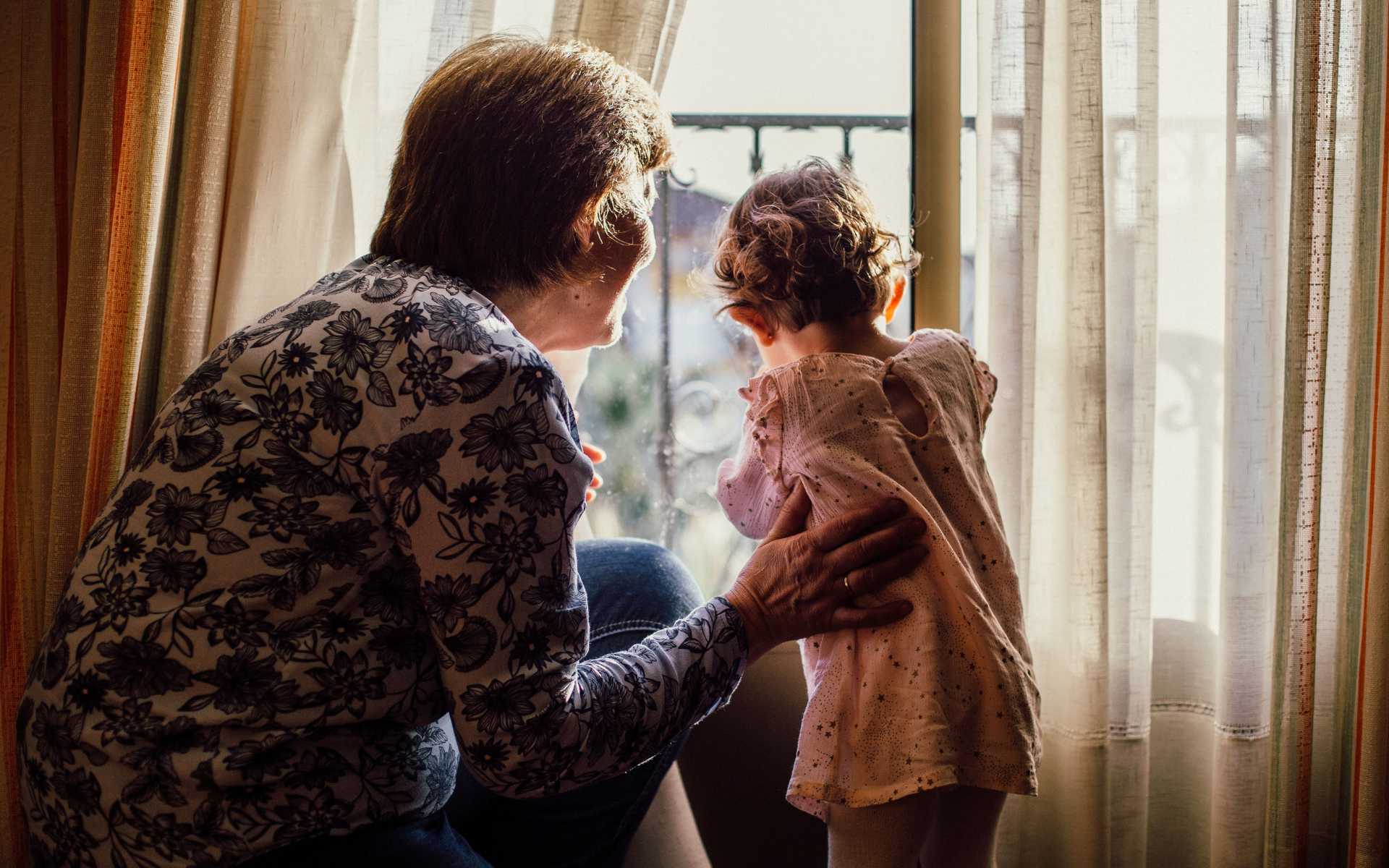
Beyond public accounting data lies an impressive domestic circular economy. Italy counts roughly twelve million grandparents, and nearly four million families rely on them for daily childcare. This informal welfare system generates massive financial savings for young couples.
Grandparents caring for grandchildren eliminates private daycare tuition and cuts babysitting costs completely. The national economic value of this unpaid domestic support exceeds forty billion euros annually. Without this free help, many working mothers would leave the workforce permanently.
Seniors as Drivers of Consumption and Real Estate
The economic impact of retirees extends far beyond childcare support. Seniors over sixty-five maintain more stable purchasing power than younger, precarious workers. Their monthly pensions fund extended family consumption directly:
- Funding Higher Education: Grandparents regularly pay university tuition, textbooks, and master’s degrees for their grandchildren.
- Buying Durable Goods: Young families frequently purchase their first car or home furniture through direct financial help from retired parents.
- Property and Local Taxes: Retirees own the largest share of second and third homes in Italy. They pay property taxes, local municipal fees, and building maintenance costs that sustain the construction sector.
- Securing Home Loans: Commercial banks routinely approve mortgage applications for young buyers only with a retired parent’s co-signature.
Leisure, Travel, and Daily Consumption
Beyond supporting family budgets, retirees actively drive the consumer economy through personal spending. Pensioners represent a key consumer demographic with steady disposable income and available free time. Their spending habits fuel specific service sectors across the country:
- Off-Peak Tourism and Travel: Senior citizens spend significantly on domestic and international travel during off-peak seasons. They fill hotels, resorts, and organized tours outside busy summer months, stabilizing the hospitality industry.
- Leisure and Cultural Activities: Retirees invest heavily in hobbies, theater tickets, museum passes, and local community events. Their daily presence supports local cultural venues, restaurants, and neighborhood cafes.
- Health, Wellness, and Home Comfort: Seniors prioritize personal well-being by spending on thermal spas, wellness retreats, and fitness programs tailored for older adults. They also allocate funds toward home renovations and smart technology to enhance daily comfort.
An Unsustainable Generational Model for the Future
The reliance on pensioners as emergency family banks proves the strength of Italian family bonds while exposing public welfare failures. A country that finances its youth through the savings of its elderly population displays deep structural fragility.
When the current generation of retirees passes away, younger generations will not enjoy similar safety nets. Modern workers accumulate future pensions under strict contribution-based rules, yielding significantly lower retirement incomes. Solving public service gaps through the generosity of grandparents remains an unsustainable long-term strategy.