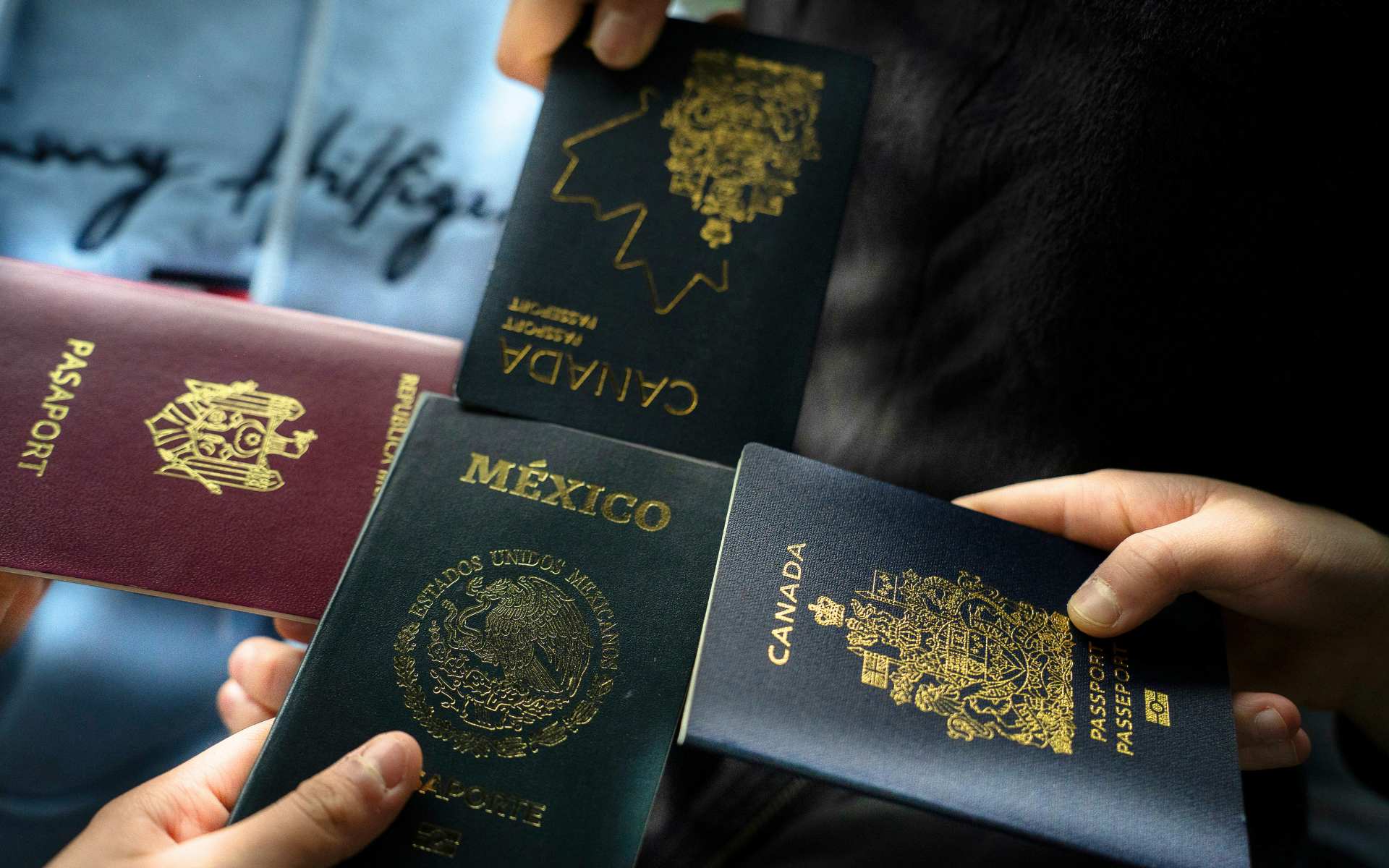
Holding dual citizenship offers immense opportunities for global mobility, career expansion, and international living. Over half of all nations worldwide legally permit individuals to hold two or more passports simultaneously. However, global rules vary significantly depending on local legislation, ancestral ties, and naturalization laws.
Understanding which countries allow multiple passports highlights key legal guidelines for global citizens, expats, and international investors.
Contents
Countries That Fully Permit Dual Citizenship
Many nations maintain open policies regarding multiple nationalities. These countries do not require naturalized foreign citizens to renounce their original passport:
- The Americas: The United States, Canada, Mexico, Brazil, and Argentina permit dual citizenship. Children born within these territories often receive automatic dual status through birthplace rights.
- Western and Central Europe: The United Kingdom, France, Italy, Portugal, Spain, and Switzerland broadly support multiple passports. Germany joined this group after enacting landmark nationality law reforms to allow dual status fully.
- Oceania: Australia and New Zealand allow their citizens to acquire foreign passports without losing local nationality status.
Strict Regions That Prohibit Multiple Passports
Conversely, several major global economies strictly enforce single-citizenship policies. Acquiring a second passport in these jurisdictions often forces individuals to forfeit their original nationality automatically:
- Asia-Pacific: Japan, China, India, and Singapore forbid dual citizenship for adult nationals. India offers an Overseas Citizen of India status instead, which provides residential rights without voting powers.
- The Gulf States: Saudi Arabia, Qatar, and Kuwait generally prohibit dual status. The United Arab Emirates represents a narrow exception, granting citizenship strictly through discretionary state nominations.
- Restricted European Cases: Austria, Monaco, and Andorra impose severe restrictions. Naturalized applicants in these countries must relinquish existing nationalities unless narrow legal exemptions apply.
Key Legal Obligations for Dual Citizens
While holding two passports provides lifestyle flexibility, dual nationals must manage complex legal and civic obligations across both jurisdictions:
- Taxation Obligations: Passport status does not always dictate tax liability. Most countries tax individuals based on physical residency. However, the United States taxes citizens on global income regardless of where they reside.
- Consular Protection Limits: Dual citizens cannot claim foreign consular protection while physically present inside their other home country. Local authorities treat dual nationals strictly as local citizens within national borders.
- Entry and Exit Mandates: Border control agencies require dual nationals to enter and leave a country using that specific nation’s passport. Travelers must present matching identification documents during international border checks.
Evaluating Your Dual Citizenship Eligibility
Securing a second nationality requires careful evaluation of naturalization timelines, lineage rights, and investment programs. Foreign workers and expatriates must verify dual nationality laws in both countries before submitting citizenship applications. Strategic planning ensures that acquiring a second passport enhances global mobility while avoiding unintended legal complications.