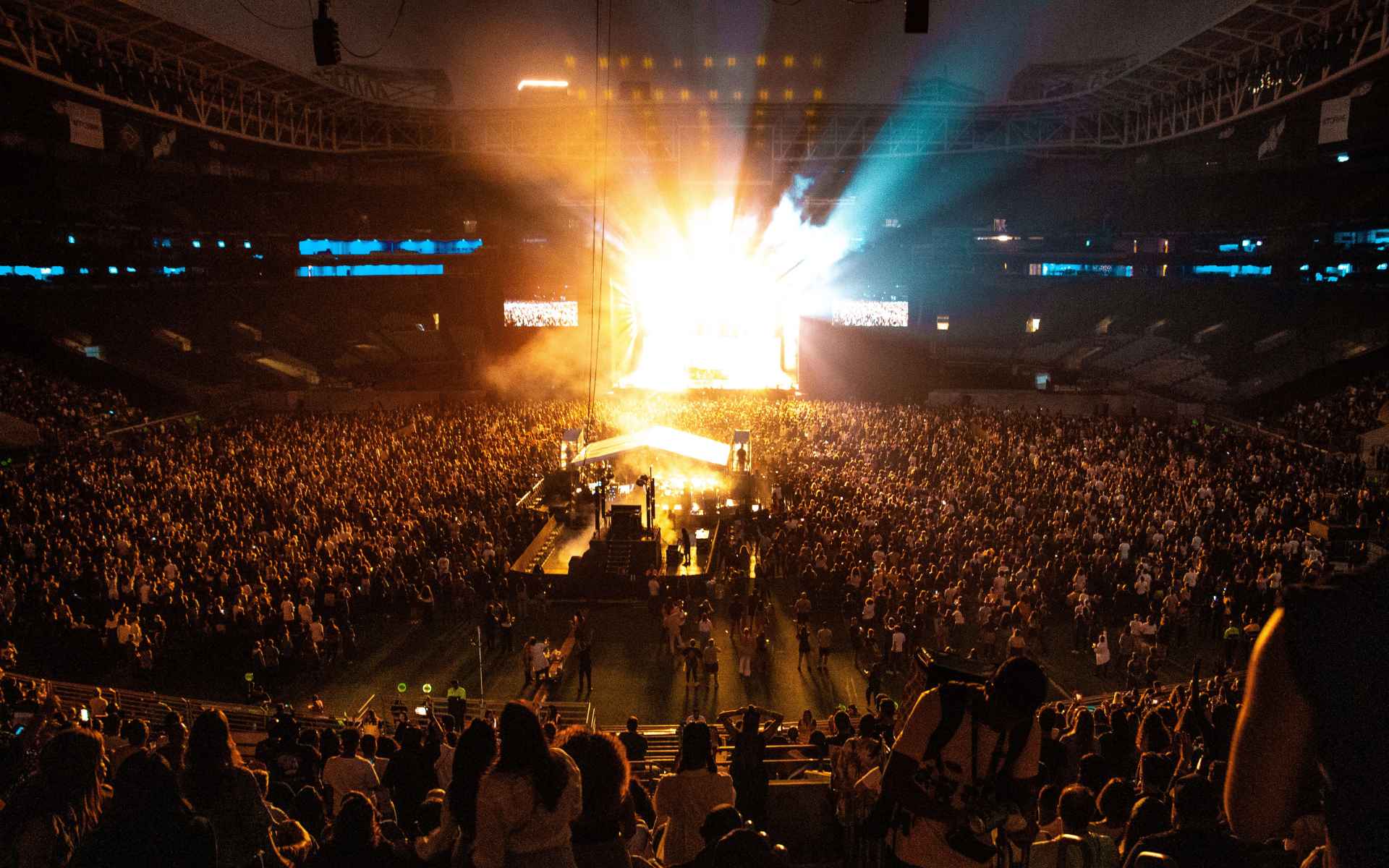
Concert tickets for major live events have reached all-time highs. Music fans pay hundreds of dollars for distant seats, hidden service fees, and dynamic pricing algorithms that surge costs during high demand. Yet behind record-breaking arena revenues, a troubling reality unfolds: the broader live music ecosystem is running out of air.
A small handful of corporate entertainment giants generate record profits today. Meanwhile, independent venues, mid-level acts, and emerging artists face a severe financial crisis. Live music costs consumers far more, yet working musicians find fewer viable places to perform.
Contents
Vertical Monopolies: Controlling Promotion, Venues, and Ticketing
The core problem extends beyond high ticket prices to extreme market concentration. Major platforms like Ticketmaster do not operate merely as independent ticketing brokers. Through parent corporations like Live Nation Entertainment, a single corporate ecosystem controls every major stage of the live event supply chain:
- Artist Management: Corporate booking agencies and management arms represent top touring talent.
- Venue Exclusive Contracts: Major stadiums, amphitheaters, and arenas sign long-term exclusive contracts that bind them to single ticketing providers.
- Event Promotion: The same corporate entity that promotes the tour often owns the venue and operates the primary ticketing engine.
This vertical integration creates a closed ecosystem that squeezes out independent competitors. Independent festival organizers and local promoters face steep venue rental costs and restrictive exclusivity agreements. Regulatory authorities in the United States and Europe have launched high-profile antitrust lawsuits against this market dominance, pointing to reduced choice and inflated consumer costs.
Global Ranking: The Most Used Platforms for Big and Medium Events
The primary ticketing market exhibits extreme concentration at the top, while specialized giants control key regional hubs and event tiers across the world:
- Ticketmaster (Live Nation Entertainment): Dominates over 70% of major stadium and arena ticketing in North America and Western Europe. It commands a massive footprint across North America, the UK, Europe, and Australia.
- CTS Eventim: Controls the largest share of the European primary ticketing market. It dominates Germany, Italy (via TicketOne), Central Europe, and parts of South America for stadiums, arenas, and major festivals.
- Eventbrite: Serves as the global volume leader for self-service, community, and mid-tier events. Independent operators use it across 180+ countries for medium venues, club shows, and local gatherings.
- AXS (AEG): Represents the primary direct competitor to Ticketmaster for major venues. It maintains a strong market share in the US, UK, Sweden, and Japan for arenas and mega-festivals.
- Ticketek (TEG): Dominates primary ticketing across Australia, New Zealand, and expanding Asian hubs. It connects major stadiums and multi-day international tours across the Asia-Pacific region.
- SeatGeek & StubHub: Control the secondary resale market, with SeatGeek expanding rapidly into primary ticketing for major sports leagues and high-demand stadium tours.
Misplaced Faith in Big Platforms to Ensure Event Quality
Fans often tolerate high service fees on major platforms because they expect a premium, seamless experience. However, actual operations regularly expose a major disconnect between high ticket prices and logistical quality control.
Massive ticketing sites frequently suffer high-profile system crashes during major presales. These crashes strand millions of verified fans in endless virtual queues while bot networks drain inventory. Once inside the venue, attendees often encounter understaffed entry lines, overpriced concessions, and minimal venue amenities despite paying steep processing surcharges.
Primary ticketing platforms also operate lucrative secondary resale marketplaces. This setup allows platforms to collect fees twice on the exact same seat. Because these corporate platforms maintain near-total market exclusivity, consumers have no alternative options. This lack of competition removes any financial pressure for platforms to improve their service or lower overhead costs.
The Cannibalization Effect on Consumer Budgets
Rising ticket prices for stadium tours directly impact the financial health of the broader music scene:
- Drained Entertainment Budgets: When a fan spends several hundred dollars on a single stadium ticket, they exhaust their disposable income for live entertainment.
- Sacrificing the Underground: Fans cut back on attending local club shows, where tickets cost twenty dollars to see independent bands.
- Status-Driven Consumption: Major concerts have shifted from accessible cultural gatherings into high-cost status events, starving the daily grass-roots music economy.
The Closure of Independent Venues and Loss of Entry-Level Touring
While mega-arenas sell out at record prices, small and mid-sized music venues continue to close at alarming rates. Rising inflation, increased energy costs, and elevated touring overhead hit independent operators hardest.
Grassroots music venues historically served as essential incubators where artists honed their craft and built sustainable audiences. Without these spaces, mid-tier touring becomes financially unviable for rising talent. Transportation, gear hauling, and accommodation costs routinely exceed venue guarantees, forcing emerging artists to take financial losses on tour.
Restoring Balance to the Live Music Ecosystem
The current live event model risks transforming live music into an exclusive luxury good that benefits only top-tier legacy acts and corporate conglomerates. Rebuilding a sustainable industry requires clear policy interventions:
- Antitrust Regulation: Enforce strict separation between venue ownership, tour promotion, and primary ticketing services.
- Fee Transparency: Cap hidden service charges and ban predatory dynamic pricing models.
- Support for Grassroots Venues: Recognize independent music halls as vital cultural institutions through local venue preservation funds.
Without a healthy grassroots foundation, the pipeline for new talent will dry up, leaving future generations with fewer artists and an increasingly hollowed-out live music scene.